

It’s a cliché, but nonetheless true, that the days are long and the years are short.
I had an unexpectedly fruitful 2025, and I am grateful to many of those who have encouraged me, prayed for me, and fellowshipped with me on the journey.
Many of the seeds I was encouraged to plant in early summer 2025 came to fruition before the year came to a close, and I was overwhelmed by the doors that opened during the last ten weeks of the year.
Here is a look ahead at the work I am creating this year and the locations where I will be speaking and teaching.
Special Needs & Faith: I am spending two days this month in a monastic-type cabin located in rural Georgia to work solely on finishing this book, which I began in early summer. This was put on my heart about 11 months ago, and I began writing in earnest in May. The book is a follow-up to my first book, Confessions of a Special Needs Dad.
The major difference is that this book grapples specifically with faith. Also, for this work, I interviewed other fathers about their experiences. Having their stories, thoughts, and insights really pushed me in my belief experience and adds some gravitas and different lenses to the questions.
The starting point for the book is taking a maxim from The Problem of Pain by C.S. Lewis and then framing it within the world of the mentally and physically disabled.
Lewis took the idea that:
“If God were good, He would wish to make His creatures perfectly happy, and if God were almighty, He would be able to do what He wished. But the creatures are not happy. Therefore, God lacks either goodness, or power, or both.”
Lewis then spends the remainder of the book answering this question in his usual razor-sharp eloquence. I do not revisit that, but take the idea and then add the twist of incorporating the special needs question within it.
Lewis did not address that in the book. (This is not a criticism, as the book was a wide brush and not tailored to each individual issue one struggles with.) But adding that particular shade to the color of the questions opens up and reveals a vast universe of more questions, answers, and thoughts on Christianity, suffering, God’s will, moral philosophies, our duty, and more.
The process of writing this book has been very meaningful. I have learned more about God, others, and this journey than I thought possible.
I am aiming for a publishing date in April.
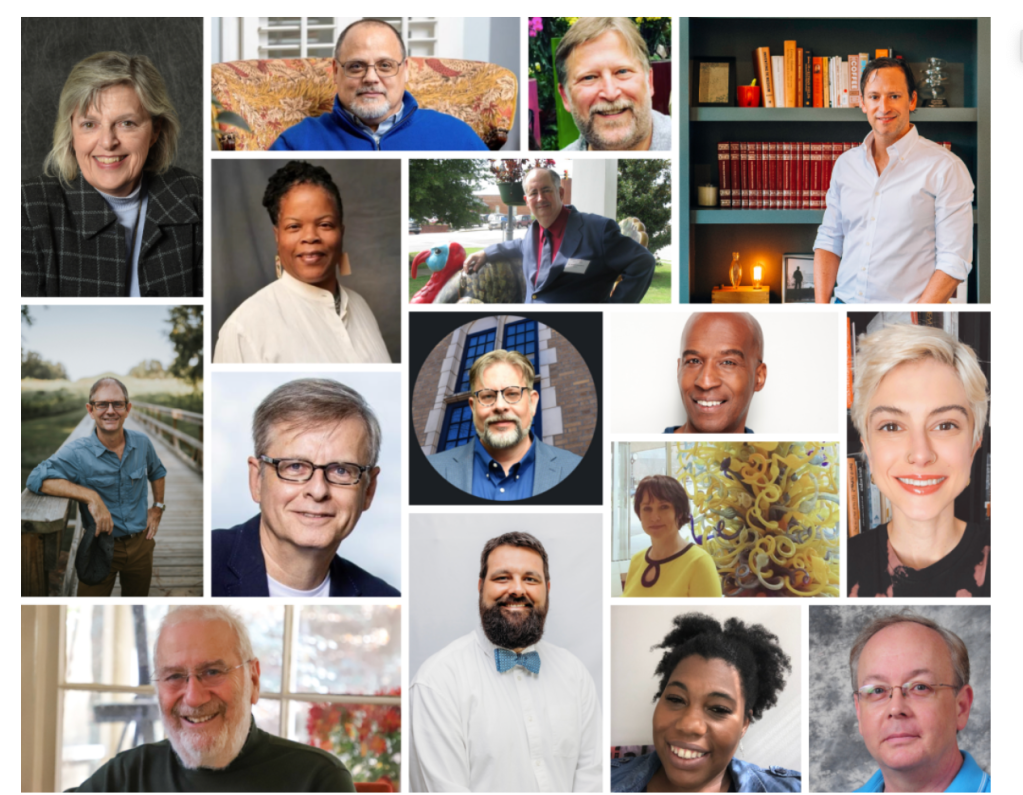
The Georgia Circuit: In late 2025, I received news that I had been accepted to The Georgia Circuit. The Georgia Circuit is Georgia Humanities’ statewide speakers bureau, created in honor of America250, to bring exceptional and engaging public humanities programming to communities across Georgia.
I will be teaching a creative writing workshop, “Writing Our Roots: Discovering the Georgian Voice.” It is an interactive workshop designed to blend technique with personal reflection. The class will focus on writing strategies, tools for crafting a good story, and community storytelling.
The Circuit is filled with very talented people, and it is an honor to represent the state and its strong cultural roots.
I should have dates and places firmed up in the next several weeks, and I will post where I will be. Keep a lookout for announcements.
Henri Nouwen Conference: In May, I will be presenting at the 2026 Henri Nouwen Conference in Toronto. This is the 30th Anniversary Conference, and the theme is Longing for Home: The Prophetic Witness of Henri Nouwen in a Wounded World.
My paper is on “The Power of the Wounded Healer.” The event takes place at St. Michael’s College.
Henri Nouwen wrote, “The great illusion of leadership is to think that man can be led out of the desert by someone who has never been there.”
Nouwen’s call of the wounded healer has mightily shaped my story, my faith, and ministry. The conference takes place May 14–16. If you are not familiar with Nouwen’s work, I highly recommend him. He is one of my favorite writers, and his focus on love, grace, and acceptance have been very influential in my life.
Now for a few recommendations:
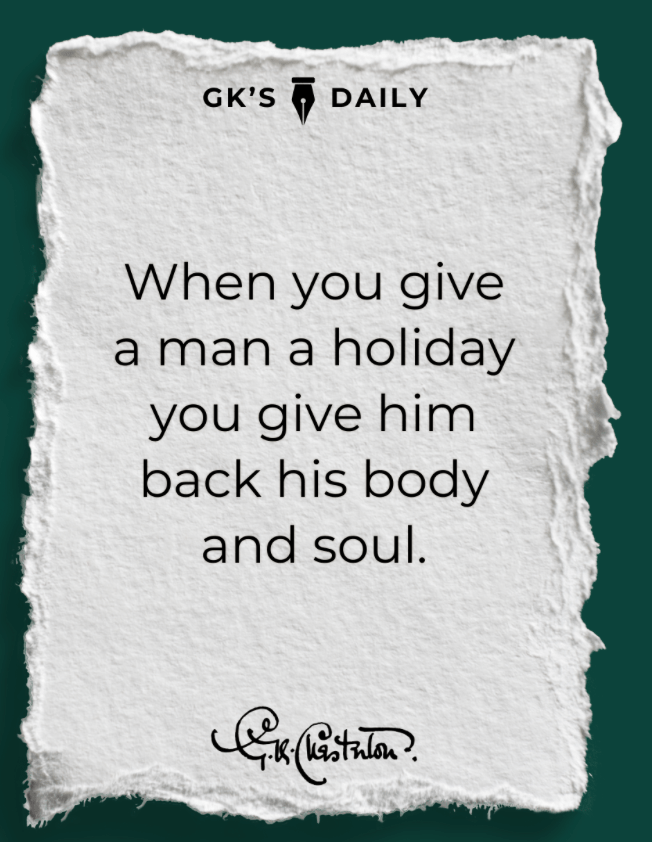
“Utopia of Usurers,” by G. K. Chesterton: Brilliant, razor-sharp nonfiction. Chesterton bridges theology, modern culture, advertising, and art in a thoughtful book.
Skip James: I’ve been listening to the blues since my uncle gave me a Sonny Boy Williamson album when I was 13. I especially love blues from the 1920s and ’30s. While I was familiar with Robert Johnson and Son House, Skip James is a rather new addition to my collection. He plays in an alternate minor tuning, and his voice, phrasing, and the drone-like tones of the guitar are gorgeous and haunting.
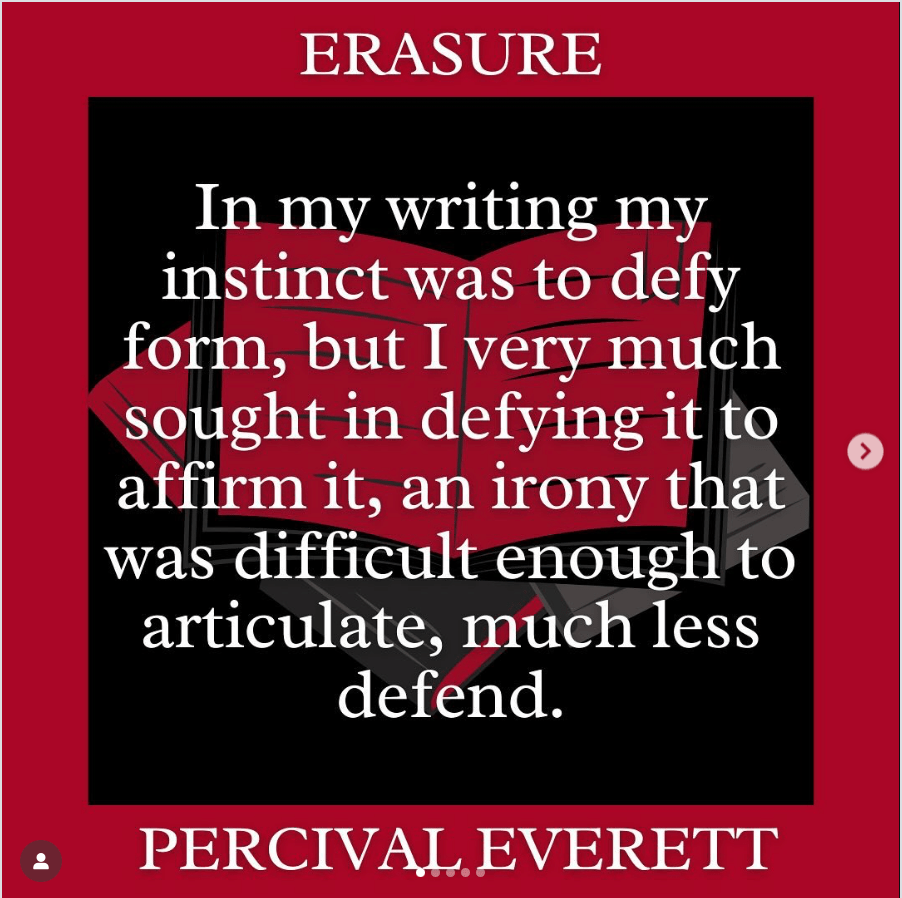
Percival Everett: I read Erasure before watching American Fiction a couple of years ago. That book is a treasure of the last 25 years of American literature and is brilliantly written, with its story, dialogue, and “meta” chapters. I read James when it was published and have read a few of his other books. He is an unknown known whose writing shimmers with wit, intelligence, and creativity.
 Mark Wallace Maguire : Author & Artist